
The Operations Brief Roundtable · No. 02 ·
Which operational improvements are worth the investment
How manufacturers decide which operational improvements to fund, and what has to be true for the money to pay off.
Operational improvements compete for the same dollars. We asked three people who see those decisions from the vendor side how manufacturers choose. Kirsten Austin is President of DCSC, which sells ERP and warehouse software. Madhur Bedre is President of Atlas Prediction Control, which helps chemical plants keep their process control tuned. Gerald Miezin founded EHS Value Systems, which builds safety and change management programs. The recap below follows a project from picking it to keeping it running after approval.
At the table
-
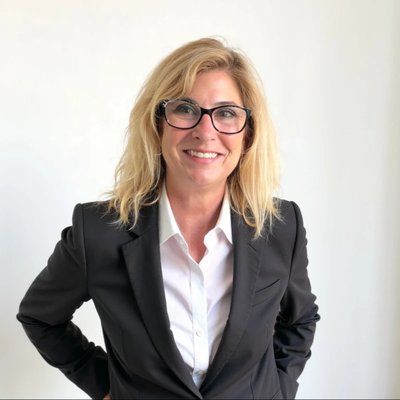
Kirsten Austin
President, DCSC Inc.
DCSC sells ERP systems and develops its own warehouse management software.
-
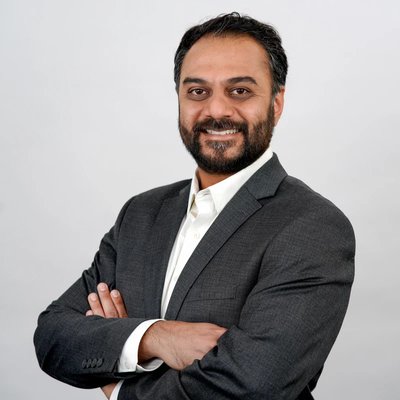
Madhur Bedre
President, Atlas Prediction Control
Atlas Prediction Control helps chemical and petrochemical plants keep their process control tuned.
-
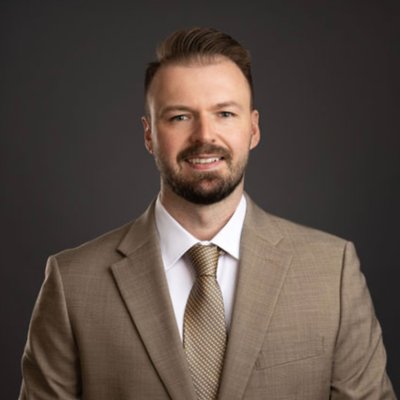
Gerald Miezin
Founder & CEO, EHS Value Systems
EHS Value Systems provides safety, compliance and change management consulting.
What we talked about
Before you pick a project
The first step is getting clear on the problem and whether the team is ready for a change.
-
Buyers feel the pain before they know the fix
Kirsten Austin sees buyers who know something is wrong but can't yet see every way to fix it. Sometimes, Kirsten said, those buyers aren't ready for new software and should start with simpler things: cleaning up the data already in their system, or looking at their facility layout and org structure.
Kirsten Austin, DCSC Inc. -
Readiness starts with a shared framework
Before a big change goes ahead, Gerald Miezin wants a framework in place that people actually understand, with every department, from HR and safety to operations and sales, clear on the goals. When two supervisors react differently to the same problem on the floor, Gerald sees a gap in communication and clarity of goals.
Gerald Miezin, EHS Value Systems
Making the case
Improvements compete for the same budget, and the urgent ones usually get funded first.
-
Urgent work wins the budget
In Madhur Bedre's experience, safety and health work gets approved fast because it carries insurance and people risk, and maintenance gets priority too. Optimization is high value but not necessarily urgent, so it often loses the same dollar. Madhur's answer is to translate the work into production rate, flaring and off-quality material, then put an ROI on it.
Madhur Bedre, Atlas Prediction Control -
Put a number on doing nothing
Gerald's advice is to build the safety case from the cost of doing nothing: lost time, turnover, quality concerns and engagement, drawn from operations and HR cost centers. In Gerald's view, telling executives you need to keep people safe isn't enough on its own from a financial standpoint.
Gerald Miezin, EHS Value Systems
After it's approved
Kirsten and Madhur both said an approved project can still fail if nobody adopts it or keeps it running.
-
Phase it and get an early win
Kirsten Austin tells buyers every transformation project takes time, money and resources, so Kirsten favors phased rollouts over a big-bang launch to get the team an early win. Without adoption from the whole team, in Kirsten's words, any project could fail.
Kirsten Austin, DCSC Inc. -
Plan for what happens after the ROI
Plants run for decades through supplier, raw material, grade and staffing changes. Madhur sees a blind spot once the ROI is approved: who implements it, runs it and keeps it working. In chemicals and petrochemicals, Madhur said, attrition often leaves a project with no internal champion.
Madhur Bedre, Atlas Prediction Control
Questions to bring to your next approval meeting
- What problem are we solving, and is the data in our system clean enough to show it?
- What does doing nothing cost us in lost time, turnover, quality or production?
- What's the first phase, and what win will the team see from it?
- Who inside will champion this, and who will keep it running a year from now?
In their words
“You can have a supervisor who walks past a forklift with the forks three feet off the ground, and he's going to say something. They should be four to six inches off the ground. The other supervisor walks by and says nothing. There's a big cultural gap there.”
Gerald Miezin Founder & CEO, EHS Value Systems“It's not about continuous improvements. It's about outcomes. You have to have an outcome every single time to truly sustain EHS.”
Gerald Miezin Founder & CEO, EHS Value Systems“If the value of anything we did on site went away as soon as we left the site, then we didn't really do our job very well.”
Madhur Bedre President, Atlas Prediction Control“It takes a whole town to build it, because a lot of the things that we do, we have to work, negotiate and deal with various vendors that are on site.”
Madhur Bedre President, Atlas Prediction Control“We don't want to take over jobs. We want to take very hardworking and smart people and give them the tools to make their jobs easier.”
Kirsten Austin President, DCSC Inc.“You really need someone that can champion and unite all your different departments, really push that project, check the milestones, constantly check in and get the opinions of other people. Otherwise it's just going to die on the vine.”
Kirsten Austin President, DCSC Inc.Want a seat at a future table?
Panelists are operators, integrators and industrial vendors. Sessions are small and informal. If you'd like a seat, send us a note. You can also see every session and panelist.